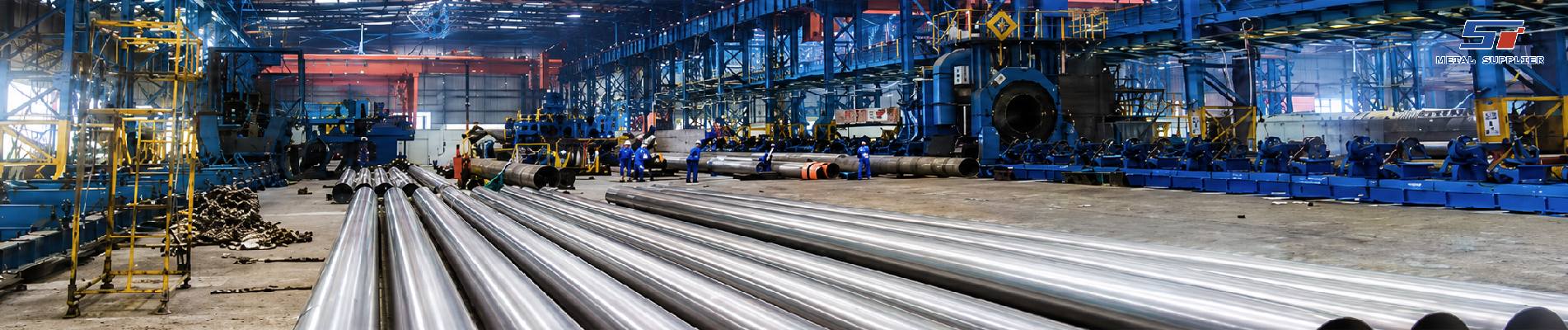
Em aplicações industriais, os tubos de aço inoxidável desempenham um papel crucial no transporte de fluidos sob alta pressão e, frequentemente, em ambientes corrosivos. A escolha inadequada pode resultar em vazamentos, falhas prematuras e paradas dispendiosas. De plantas químicas e usinas de energia a instalações de processamento de alimentos e marítimas, a escolha do material e do tipo de tubo ideais garante confiabilidade operacional, segurança e desempenho a longo prazo.
Este guia ajuda engenheiros, gerentes de compras e planejadores de projetos a entender os diferentes tipos de tubos de aço inoxidável, as classes de materiais, as considerações de fabricação e as estratégias de seleção para sistemas industriais de alta pressão.
Tipos de tubos de aço inoxidável
1. Tubo de aço inoxidável sem costura
Os tubos sem costura são produzidos sem solda, utilizando métodos de extrusão ou perfuração rotativa. A ausência de soldas garante resistência uniforme em toda a parede do tubo, tornando-os ideais para:
- Aplicações de alta pressão
- Indústrias químicas e petroquímicas
- Linhas de vapor e água quente
As vantagens incluem maior resistência mecânica, menor risco de vazamentos e melhor desempenho sob pressões variáveis.
2. Tubo de aço inoxidável soldado
Os tubos soldados são fabricados laminando chapas de aço e soldando-as ao longo da junta. Esses tubos são mais econômicos e adequados para:
- Aplicações de pressão baixa a moderada
- Sistemas de água industriais
- Tubulações estruturais onde a pressão extrema não é um fator determinante.
Embora possam não se igualar aos tubos sem costura em termos de desempenho sob alta pressão, a soldagem adequada e a inspeção de qualidade podem garantir um serviço confiável.
3. Tubos de aço inoxidável austenítico (304 e 316)
- Aço inoxidável 304: Resistência à corrosão padrão, adequada para exposição química moderada, sistemas de água limpa e aplicações internas.
- Aço inoxidável 316: Contém molibdênio para resistência superior a cloretos e ataques químicos, ideal para ambientes marinhos, químicos e de alta salinidade.
4. Tubos de aço inoxidável duplex
Os tubos duplex combinam os benefícios dos aços austeníticos e ferríticos. Oferecem alta resistência à tração e excelente resistência à corrosão por pites e à fissuração por corrosão sob tensão. As aplicações típicas incluem plataformas de petróleo offshore, usinas de dessalinização e sistemas químicos altamente corrosivos.
Critérios de seleção principais
1. Pressão e resistência mecânica
Tubos sem costura são geralmente preferidos para linhas de alta pressão, pois podem suportar tensões extremas sem que a costura se rompa. Para pressões moderadas, tubos soldados podem ser suficientes, equilibrando custo e desempenho.
2. Resistência à corrosão
- Aço inoxidável 304: Adequado para ambientes internos ou levemente corrosivos.
- Aço inoxidável 316: Recomendado para fábricas químicas, água do mar ou ambientes ricos em cloreto.
- Aço inoxidável duplex: Ideal para produtos químicos altamente agressivos e tubulações de alta pressão.
3. Temperatura e Estresse Térmico
Fluidos de alta temperatura exigem materiais com estabilidade térmica e resistência à fluência. Os aços austeníticos e duplex mantêm a integridade estrutural sob temperaturas superiores a 870 °C.
4. Considerações sobre fabricação e instalação
- Tubos sem costura são mais resistentes, porém menos flexíveis, muitas vezes exigindo um alinhamento preciso no local.
- Tubos soldados são mais fáceis de fabricar e instalar, especialmente quando são necessárias modificações no local.
- Ao planejar, leve em consideração a soldabilidade, a capacidade de curvatura e os requisitos de rosca.
5. Custo versus desempenho a longo prazo
Embora os tubos sem costura ou duplex de alta qualidade envolvam custos iniciais mais elevados, eles oferecem menor necessidade de manutenção, menos substituições e maior vida útil, muitas vezes justificando o investimento.
Indústria química
Utilizadas para o transporte de ácidos, álcalis e outros fluidos reativos onde a resistência à corrosão é fundamental. Tubos de aço inoxidável 316 e duplex são os preferidos para ambientes com alta concentração de cloreto.
Petróleo e gás
Tubos sem costura e duplex são comumente utilizados em oleodutos, linhas de processo de alta pressão e instalações offshore, onde a segurança e a integridade são fundamentais.
Alimentos e bebidas
Os tubos de aço inoxidável 304 são padrão para linhas de processo sanitárias, abastecimento de água e distribuição de vapor devido à sua resistência à corrosão e propriedades higiênicas.
Geração de energia
Em usinas termelétricas e nucleares, as linhas de vapor e água de alta pressão utilizam tubos de aço inoxidável sem costura e duplex para garantir um desempenho de longo prazo sob pressões e temperaturas variáveis.
Melhores práticas para seleção de tubos
1. Realizar uma Avaliação Ambiental Detalhada
Analise os fluidos, as temperaturas, as pressões e as condições de exposição antes de definir o material e a classe da tubulação.
2. Considere os custos do ciclo de vida
Avalie não apenas os custos iniciais, mas também os custos de manutenção, substituição e possíveis períodos de inatividade ao longo da vida útil da tubulação.
3. Trabalhe com fornecedores certificados
Selecione fornecedores que forneçam tubos em conformidade com a norma ASTM A312, certificados de ensaio de materiais e documentação de garantia de qualidade.
4. Planeje as necessidades de instalação e fabricação.
Certifique-se de que as equipes de instalação no local compreendam os requisitos de soldagem, curvatura e união para o tipo de tubo selecionado. A pré-fabricação e o corte preciso podem minimizar erros e reduzir o tempo de instalação.
5. Inspeção e manutenção regulares
Tubulações industriais de alta pressão exigem inspeções periódicas para detecção de vazamentos, corrosão e integridade mecânica. A implementação de um programa de manutenção preventiva pode prolongar a vida útil do sistema de tubulação.
A escolha do tubo de aço inoxidável ideal para aplicações industriais de alta pressão é uma decisão crítica que impacta a segurança, a eficiência e os custos a longo prazo. Ao compreender os tipos de tubos, as classes de materiais, as considerações de fabricação e os requisitos ambientais, os projetos industriais podem alcançar desempenho e confiabilidade ideais. A parceria com um fornecedor certificado e experiente garante que os tubos selecionados atendam às demandas técnicas e operacionais, proporcionando tranquilidade tanto para engenheiros quanto para gerentes de projeto.
Contate a Shengtao Metal para soluções em produtos de aço.
Se você busca soluções confiáveis em produtos de aço e metal, sinta-se à vontade para nos enviar sua solicitação.
Basta fornecer suas especificações, como tipo de material, dimensões, quantidade ou aplicação, e nossa equipe responderá rapidamente com suporte profissional e um orçamento competitivo.
E-mail:stsalesman4@stmetal001.com